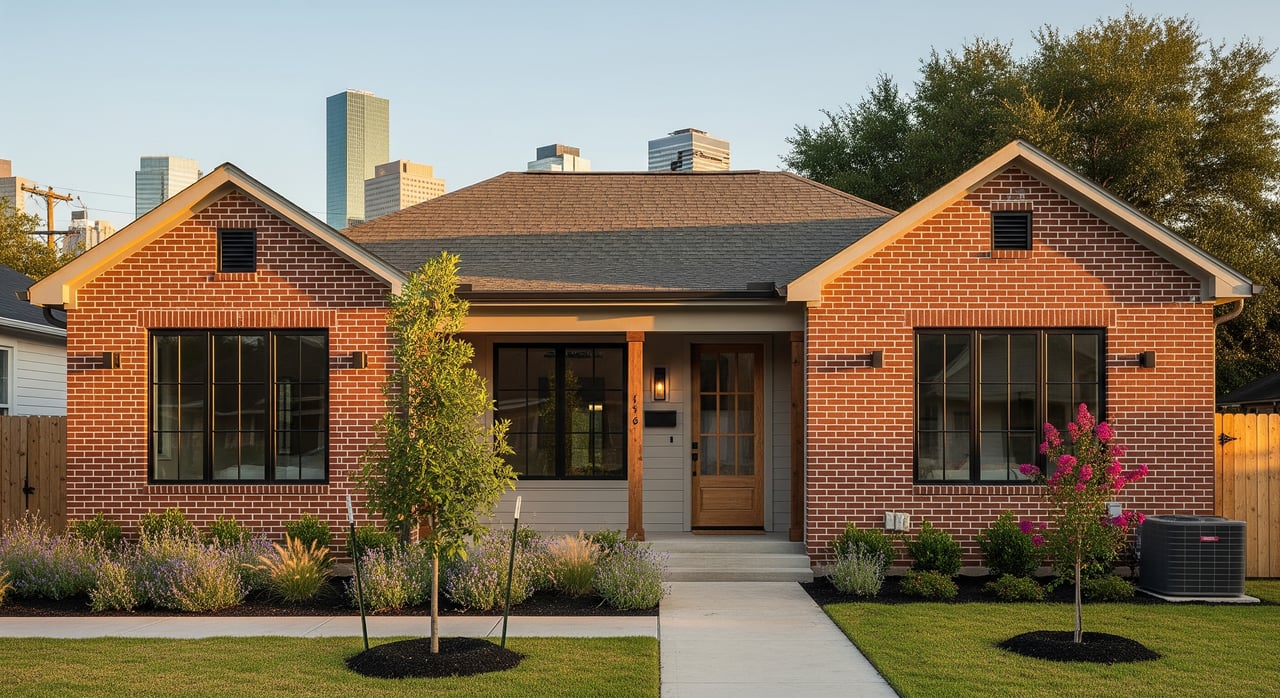
Thinking about using BRRRR to build your Houston rental portfolio but not sure how it plays in Greater Third Ward? You are not alone. With older homes, potential flood risk, and active redevelopment, a cookie-cutter plan can cost you time and money. In this guide, you will get a pragmatic, Houston-specific playbook that walks you through each BRRRR step, conservative underwriting, local lender timelines, and a due diligence checklist built for Third Ward. Let’s dive in.
Why BRRRR in Greater Third Ward
Greater Third Ward sits inside the loop with proximity to employment centers and universities, an older housing stock, and steady redevelopment activity. That mix creates opportunity if you buy and rehab with discipline. Older homes can mean more systems work, but thoughtful upgrades can position your property competitively once rented and refinanced.
You want to ground your plan in data. For neighborhood context and housing stock, pull current small-area data from the U.S. Census American Community Survey. For parcel-level tax history and assessed value, confirm details with the Harris County Appraisal District. For up-to-date market trends and comps, work with a local agent who can access MLS and Houston Association of REALTORS reports.
Step 1: Buy smart in Third Ward
Sourcing deals
- MLS with a Third Ward–savvy agent.
- Off-market outreach to absentee owners using HCAD and tax delinquency lists.
- Wholesalers and investor networks. Verify title, scope, and numbers.
- REO, probate, and drive-for-dollars leads through community contacts.
Quick screen for flood and foundation
- Flood: Check the FEMA Flood Map Service Center at the parcel level. If flood risk appears, price in flood insurance and mitigation.
- Foundation: Houston’s expansive clay soils can move. Expect possible foundation work in older homes and plan for a specialist evaluation during option.
Set a conservative Maximum Allowable Offer
- ARV: Use 3 to 6 closed comps within 0.5 to 1 mile and the last 6 to 12 months that match your intended finished condition. When in doubt, discount ARV by 5 to 10 percent.
- MAO formula: MAO = (ARV × Target Exit LTV) − Rehab − Closing and Carrying Costs − Desired Profit. Use conservative exit LTVs as many investor refi products land near 65 percent. Some conventional investor loans may allow up to 75 percent, but plan conservatively.
- Title and permits: Before you finalize price, check permit history at the City of Houston Permitting Center. Open violations or unpermitted work can delay leasing and refinancing.
Step 2: Rehab with a permit-first plan
Rehab decisions in Third Ward should prioritize safety, code, and durability. Organize your scope in tiers so you control costs and timeline.
- Tier 1: Safety and legal items. Electrical, plumbing, structural, HVAC, mold or lead remediation, and required detectors.
- Tier 2: Weatherproofing. Roof, gutters, windows, exterior cladding.
- Tier 3: Systems and durable elements. HVAC, water heater, electrical panel, sewer line.
- Tier 4: Kitchen and bath function.
- Tier 5: Cosmetic finishes.
- Tier 6: Curb appeal.
Build in contingency because older homes hide surprises. Use at least 10 to 20 percent on total rehab. If foundation or drainage concerns exist, consider 20 to 35 percent. As a rough guide, cosmetic work can land near $10 to $30 per square foot, midrange $30 to $80, and full-gut or structural jobs can go higher. Always confirm with multiple contractor bids and line items.
Permitting matters. Major electrical, plumbing, structural, HVAC, and additions usually require permits. Budget for fees and potential rework. Keep receipts, photos, and final inspection sign-offs. Lenders commonly ask for this documentation at refinance.
Step 3: Rent for stability, not stretch
Aim for a rent target that leases quickly and supports your refinance. Use at least three current rent comps within 0.5 to 1 mile, matching beds, baths, and condition. If comps are thin or the market is shifting, discount the strongest comp by 5 to 10 percent.
For pro formas, lean conservative:
- Vacancy: 8 to 10 percent, and plan on 30 to 60 days of lease-up after rehab unless you pre-lease.
- Management: 8 to 10 percent of gross rent if you hire a manager.
- Maintenance: 8 to 10 percent of gross rent for older homes.
- Taxes and insurance: Estimate property taxes using HCAD assessed value times combined local rate. In Harris County, combined tax bills often land near 1.8 to 2.5 percent of assessed value, but confirm your parcel on HCAD. Add landlord policy and flood insurance if needed.
- Metrics: Target a 6 to 8 percent net cap rate on stabilized NOI for inner-loop rentals. Many investors aim for 8 to 12 percent cash-on-cash depending on leverage and risk.
- Rule of thumb: The 1 percent rent-to-price rule is often unrealistic in inner-city areas. Use a 0.6 to 0.9 percent screen unless local comps support higher.
Step 4: Refinance timing and lender playbook
Your goal is to replace short-term funds with permanent financing or recycle capital. Most investor refinances benefit from planning the exit before you close on purchase.
- Typical seasoning: Many conventional and bank programs require 6 to 12 months of seasoning before a cash-out refinance. Policies vary, so confirm specifics. Review the latest guidance in the Fannie Mae Selling Guide and verify lender requirements.
- DSCR and portfolio lenders: These options underwrite property cash flow rather than your personal income. They often have more flexible seasoning but usually carry higher rates than conventional.
- Hard money and bridge loans: They close fast for purchase and rehab but have higher costs. You will need to refinance or sell.
- Owner-occupant programs: FHA 203(k) and similar options are primarily for owner-occupants and generally do not apply to investor BRRRR unless you plan to live in the home.
A practical timeline is 6 to 12 months from purchase to refinance. Plan 3 to 6 months for rehab, up to 2 months to lease, and time for lender processing. Lenders commonly ask for permitted work sign-offs, paid invoices, leases, clear title with no open code issues, and an appraisal that supports your ARV and rehab quality.
Sample BRRRR deal worksheet
Use this template to evaluate each deal and keep your numbers consistent.
Worksheet fields
- Property basics: Address, beds/baths, square footage, lot size, year built, HCAD value, parcel ID.
- Purchase: Price and closing costs. Investor purchases often run 2 to 5 percent of price.
- Rehab: Line items for structure and foundation, roof, HVAC, electrical, plumbing, kitchen, baths, flooring, windows, exterior, landscaping. Add permits and inspection costs. Include contingency.
- Holding: Taxes, insurance, utilities, security, interest on interim financing, property management setup and leasing promotion.
- Exit costs: Appraisal, lender fees, title and recording, or broker fee if selling.
- Exit assumptions: ARV, exit path, target refinance LTV. Use 65 percent as a conservative investor LTV unless you have confirmed higher with your lender.
- Operating pro forma: Gross rent, vacancy, management, maintenance, taxes and insurance, NOI, debt service, cash flow, and cash-on-cash.
- Returns: Year-one cash-on-cash, equity at refinance, and potential cash out if LTV and appraisal allow.
Conservative example (illustrative only)
- ARV: $250,000
- Target refinance LTV: 65 percent, refinance loan = $162,500
- Purchase price: $150,000
- Rehab subtotal: $50,000
- Closing and holding: $10,000
- Total invested: $210,000
At refinance:
- Refinance loan = $162,500. Cash left in the deal = $47,500. To pull all capital, you would need a higher ARV, a higher LTV product, or a sale.
Operating snapshot:
- Conservative rent: $1,600 per month
- Vacancy 8 percent → effective rent $1,472
- Management 8 percent → $1,354
- Maintenance 8 percent → $1,246
- Taxes and insurance estimated at $350 per month → about $896 per month before debt service. Final cash flow depends on your permanent loan terms.
Due diligence checklist for Third Ward
Work this list before and after you go under contract. It will save you time at refinance.
- Title and legal: Order a preliminary title report, confirm liens or easements, and verify any HOA or special assessments. The Harris County Clerk maintains public records for recorded documents.
- Permits and code: Pull permit history and check for open violations at the City of Houston Permitting Center. Price any required corrections.
- Structure and systems: General inspection. Foundation evaluation by a qualified contractor. Sewer camera if older lines or large trees. Termite and pest inspection. Verify roof age and condition. Confirm HVAC, electrical panel, and water heater capacity and condition.
- Environmental and health: For pre-1978 homes, follow lead-based paint rules and required disclosures. Review the federal guidance from HUD on lead-based paint. If you see water stains or odors, get a moisture and mold assessment.
- Flood: Run the parcel through the FEMA Flood Map Service Center. If the property is in or near a flood zone, evaluate elevation, drainage, and flood insurance requirements before closing.
- Neighborhood demand: Pull rent comps within 0.5 to 1 mile and review lease-up timelines. Note access to transit and employment centers. Monitor planned public or private projects that may influence values.
- Financing readiness: Get written terms for your hard money or rehab loan, including draw schedule. Confirm refinance program specs, seasoning, required documentation, and target LTV in writing.
- Exit stress test: Model ARV minus 5 to 10 percent, 90-day lease-up, 10 to 12 percent vacancy, and rehab costs plus 20 percent.
- Post-close: Transfer utilities, bind insurance at closing, and set up a system to store photos, receipts, permits, and as-built documentation for the appraiser.
Common pitfalls and how to avoid them
- Underestimating foundation scope: Always budget for a foundation review when floors are uneven or cracks appear. Add a higher contingency if risk signs exist.
- Ignoring flood mapping: A property that seems dry can still be in a mapped flood zone. Verify early and include flood insurance in your numbers if required.
- Permit delays: Unpermitted prior work can slow leasing and refinancing. Pull history, scope corrections, and keep all final sign-offs for the lender file.
- Overreaching on ARV: Use the lower end of recent comps or discount by 5 to 10 percent to protect your margin in a shifting market.
- Misreading seasoning: Many cash-out refinances require 6 to 12 months from purchase. Plan your carries and confirm policies with your lender.
- Stretch rents: Set rents that lease in 30 to 60 days. A small discount today can save months of vacancy and improve DSCR.
Timeline and budget at a glance
- Weeks 0 to 2: Deal sourcing, quick flood and permit checks, initial underwriting.
- Weeks 2 to 6: Offer, inspections, contractor bids, lender pre-approval for exit, close.
- Months 2 to 5: Rehab execution with documented permits and draw inspections.
- Months 5 to 6: Marketing and lease-up. Stabilize with signed lease and deposits.
- Months 6 to 12: Refinance processing based on lender seasoning. Provide leases, permits, invoices, and photos to support appraisal.
Ready to map this playbook to a live property in Greater Third Ward? If you want data-backed underwriting, on-the-ground insights, and a clear path from purchase to refinance, connect with The Silva Group. We offer investor-focused buyer representation, valuations, and neighborhood advisory so you can execute with confidence. Hablamos español.
FAQs
What is the BRRRR method in Greater Third Ward?
- BRRRR stands for Buy, Rehab, Rent, Refinance, Repeat, and in Greater Third Ward it means targeting older homes, budgeting for systems and foundation, setting conservative rents, and timing your refinance with typical 6 to 12 month seasoning.
How do I check Third Ward flood risk before I buy?
- Look up the parcel on the FEMA Flood Map Service Center and review property-specific drainage; if flood risk is present, price in flood insurance and mitigation.
What lender seasoning should I expect for a BRRRR refinance?
- Many conventional and bank programs require 6 to 12 months of seasoning for cash-out; always confirm terms in writing and consult the Fannie Mae Selling Guide as a reference.
How should I set conservative rents near local universities?
- Use at least three rent comps within 0.5 to 1 mile and similar condition, then discount the top comp by 5 to 10 percent and plan for 30 to 60 days of lease-up to avoid vacancy surprises.
What rehab costs should I plan for older Houston homes?
- Expect a wide range: cosmetic updates can run about $10 to $30 per square foot, midrange $30 to $80, and full-gut or structural projects higher; add 10 to 20 percent contingency, or 20 to 35 percent if foundation risk exists.
What documents will lenders ask for at refinance?
- Be prepared with permitted work sign-offs, paid invoices, leases, clear title with no open code issues, and photos; these support the appraisal and underwriting process.