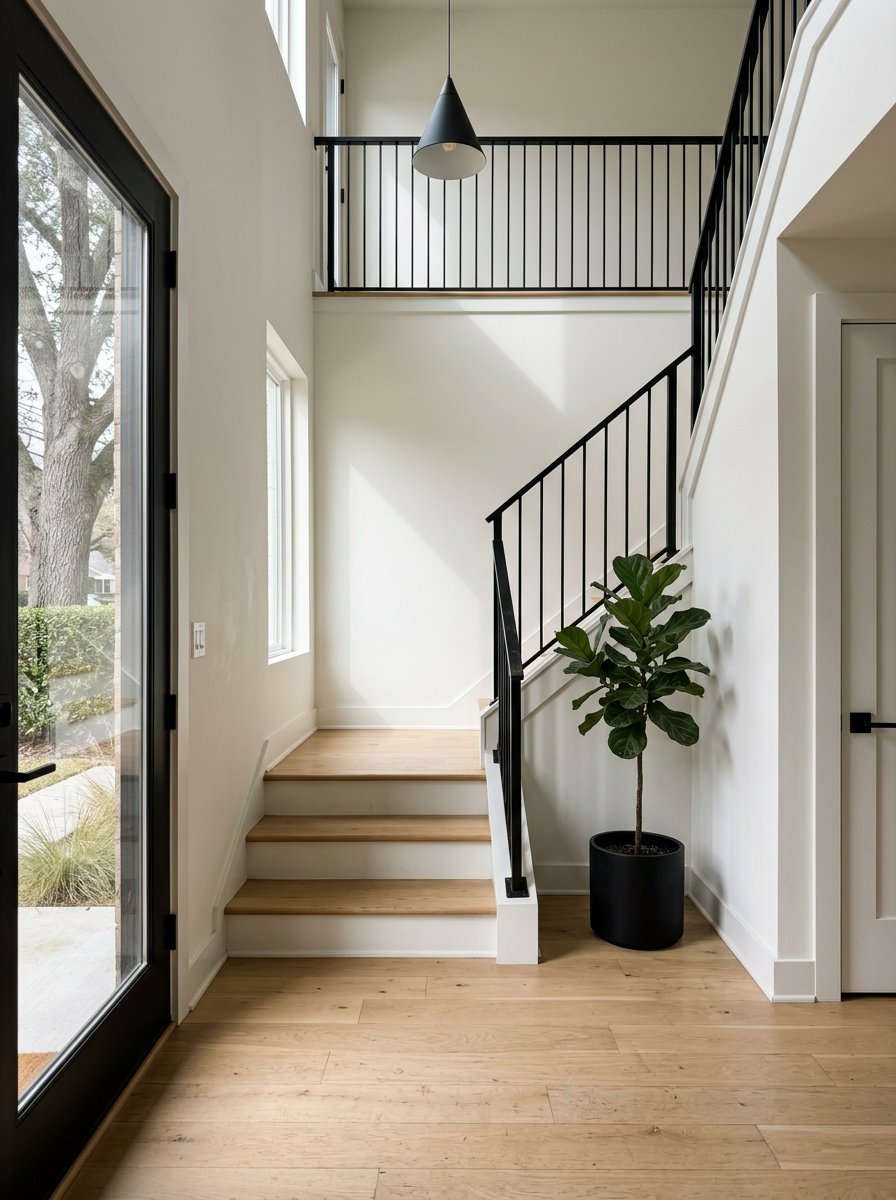
Eyeing a brand-new home close to Houston’s core without Heights-level prices? Independence Heights gives you modern construction, a central location, and options for many budgets. Whether you are a first-time buyer or moving up, you want clarity on timelines, inspections, warranties, HOAs, and how to compare new builds to renovated resales. This guide breaks it all down so you can buy with confidence. Let’s dive in.
Why Independence Heights stands out
Independence Heights sits just north of I-610 and west of I-45, offering an inner-Loop feel with a growing mix of infill townhomes and small-lot single-family homes. The area combines historic roots with active redevelopment and engaged community groups. For context on the neighborhood’s heritage and ongoing stewardship efforts, see this overview of recent preservation work from Houston Public Media.
Many buyers look here for a closer-in location at prices that often come in below nearby established pockets. You will see a steady pipeline of new builds, from single homes on narrow lots to small gated enclaves. If you want new construction with urban proximity, this is a strong candidate to tour.
What new construction looks like here
You will encounter a few common product types:
- Small-lot single-family infill, often 2 or 3 stories
- Duplexes or stacked townhomes
- Short, gated clusters of 4 to 20 homes
Floorplans generally feature 2 to 4 bedrooms and 2.5 to 4 baths, with many homes falling in the 1,500 to 2,400 square foot range. Larger plans exist at higher price points. Expect flex rooms or lofts, and main living either on the first or second floor depending on the build.
Typical finishes in current listings include quartz or waterfall islands, ceiling-height kitchen cabinets, LVP or engineered-wood flooring, porcelain tile baths, stainless appliances, high ceilings, and energy-efficient HVAC. Exteriors tend to mix brick with fiber-cement or stucco and clean, modern lines. Many builders include tankless water heaters, spray foam or enhanced insulation, and recognizable HVAC brands.
Pricing and value check
Public listing snapshots show a broad range, with entry options starting in the low 200s for smaller or attached product and higher-end infill reaching into the 600s and above. Exact prices change quickly and vary by lot, size, and finish level. If you like a community or floorplan, ask your agent for a live MLS snapshot for that week so you can compare true apples to apples across active listings.
Pro tip: Builders often market a base price, then add lot premiums and upgrade costs. Model homes are typically staged with significant upgrades. Always compare the all-in total, not just the base.
Timeline from contract to keys
Buying a completed spec home can move fast, but building after contract takes time. Here is what to expect:
- Permitting: The City of Houston’s new residential construction plan review generally cites around 15 business days for the initial step, but multi-department reviews or floodplain checks can extend that. You can review process steps on the Houston Permitting Center page for new residential construction.
- Construction: For typical small infill, completion from permit issuance to certificate of occupancy often runs about 4 to 9 months. Site work, weather, materials, and builder backlog all affect the schedule. If you are buying a near-complete home, your timeline could compress to weeks or a couple of months.
Ask the builder for a written estimated completion date, how extensions are handled, and remedies if delays push past expectations.
Inspections that protect you
Even new homes need independent eyes. In Texas, TREC sets the standards for licensed inspectors. For new builds, a multi-phase approach is common and smart:
- Pre-foundation or pre-pour (if you are early enough in the process)
- Pre-drywall to check framing, plumbing, electrical, and HVAC before walls close
- Final inspection and punch-list walkthrough before closing
- 11-month inspection to catch items before the one-year workmanship warranty ends
Hire your own TREC-licensed inspector. Schedule early and confirm the builder will permit independent inspections at each phase.
Warranties: what 1-2-10 usually means
Most builders use a 1-2-10 structure: 1 year for workmanship, 2 years for systems (plumbing, electrical, HVAC), and 10 years for major structural components. For a plain-English overview of this model, review StrucSure’s summary of the 1-2-10 warranty.
Key details to confirm:
- Who backs the warranty: the builder or a third-party administrator like 2-10 HBW
- What is covered or excluded, how to file claims, and response timelines
- Whether the structural warranty is transferable to the next owner
Some small builders operate through single-purpose LLCs, which can complicate enforcement if they dissolve. Third-party, insurance-backed structural coverage can add protection.
Financing and builder incentives
If the home is complete, most buyers use a standard mortgage. If you are building from scratch, you may need a construction-to-permanent loan. Builders often advertise incentives through a preferred lender, such as closing cost credits or rate buydowns. Compare the value of any incentive to the actual rate and fee structure you receive.
Request Loan Estimates from multiple lenders so you can compare total costs with confidence. The CFPB’s guide to requesting and reviewing multiple Loan Estimates shows how to line offers up side by side.
HOAs, deed restrictions, and taxes to check early
New infill homes often sit in small associations or within recorded deed restrictions. In Texas, you have the right to receive a resale certificate and the community’s dedicatory instruments. The resale certificate should include assessment amounts, fees, and any pending litigation. Review the Texas Property Code summary for resale certificates for what must be provided.
Also confirm the property’s tax jurisdictions and whether it sits in any special district. Use HCAD to verify parcel-level details and tax records. Red flags include unclear enforcement language, missing dedicatory instruments, or low reserves paired with active litigation. The Texas State Law Library’s overview of POA bylaws and records provides helpful background on what should be recorded and accessible.
New construction vs. renovated resale
Here is a quick, practical way to think about the tradeoffs:
- New construction advantages: modern floorplans and energy efficiency, fresh systems, and structured warranty coverage that can lower near-term maintenance.
- New construction considerations: timeline risk if building to order, post-close punch-list items, and evolving streetscapes while nearby lots are under construction.
- Renovated resale advantages: established streetscape, completed landscaping and outdoor spaces, and the ability to negotiate based on inspection findings.
- Renovated resale considerations: older systems may need replacement sooner and workmanship quality can vary. Strong renovations in some nearby neighborhoods can carry a premium compared to comparable new builds in Independence Heights.
Build an all-in comparison
When deciding between a new build and a renovated resale, add everything up:
- New build: base price + lot premium + design upgrades + landscaping/window coverings + closing costs + projected property taxes
- Renovated resale: purchase price + any immediate updates + near-term system replacements + closing costs + taxes
For financing, compare multiple Loan Estimates using the CFPB’s process so you see true differences in rate, points, underwriting fees, mortgage insurance, and credits.
Buyer checklist: Independence Heights new builds
Use this list to stay organized:
- Confirm the current market snapshot for the week you write an offer, including median list and days on market.
- Ask the builder for permit numbers, current plan review status, estimated certificate of occupancy date, and a sample contract.
- Request the full written warranty booklet and whether the structural warranty is backed by a third-party administrator.
- Clarify deposit handling: exact amounts, what is refundable, and which upgrade deposits become nonrefundable.
- Get a written allowance schedule for cabinets, counters, flooring, lighting, and appliances, including how overages are billed.
- Confirm what is included versus optional: refrigerator, washer/dryer, window coverings, landscaping, irrigation, and garage openers.
- Ask for the punch-list and warranty claim process, including emergency contacts for urgent issues after move-in.
- Hire an independent TREC-licensed inspector for pre-drywall, final, and 11-month checks.
- Obtain the HOA resale certificate and dedicatory instruments. Review assessments, transfer fees, rental rules, design controls, and any litigation. See the Texas Property Code overview for required contents.
Smart questions to ask every builder
Who holds my deposit, and under what conditions is it refundable?
Is the structural warranty administered by a third party like 2-10 HBW, and is it transferable?
What timeline guarantees or remedies exist if completion dates slip? Ask to see the exact contract language.
Can I schedule independent inspections at pre-drywall and pre-closing stages? TREC allows you to hire your own inspector.
Where can I tour completed homes by this builder, and can I speak with recent buyers as references?
Ready to tour and compare options?
When you want new construction inside the Loop without guesswork, you need a team fluent in builder workflows, finance, and neighborhood dynamics. We help you price upgrades accurately, structure contracts, and avoid surprises on inspections, warranties, and HOAs. Hablamos español. Connect with The Silva Group today to start your Independence Heights search.
FAQs
What types of new homes are common in Independence Heights?
- You will mostly see 2 to 3 story small-lot single-family homes, duplexes, and short gated clusters, often 1,500 to 2,400 square feet with modern finishes.
How long does new construction typically take in Houston infill areas?
- After permits, many small infill builds complete in roughly 4 to 9 months, depending on weather, site work, materials, and the builder’s schedule.
What inspections should I order on a brand-new home?
- Order pre-drywall, final, and 11-month inspections with a TREC-licensed inspector, and add a pre-pour inspection if you are early enough in the process.
What does a 1-2-10 builder warranty usually cover?
- Typically 1 year for workmanship, 2 years for systems, and 10 years for major structural items, with exact terms defined in the warranty booklet and any third-party policy.
What HOA documents should I review before closing?
- Get the resale certificate and dedicatory instruments to verify assessments, rules, rental policies, design controls, and any pending litigation, as outlined in the Texas Property Code.
How do I compare builder lender incentives to other loan offers?
- Request Loan Estimates from multiple lenders on the same day and compare rate, points, fees, and credits using the CFPB’s guide to reviewing estimates.