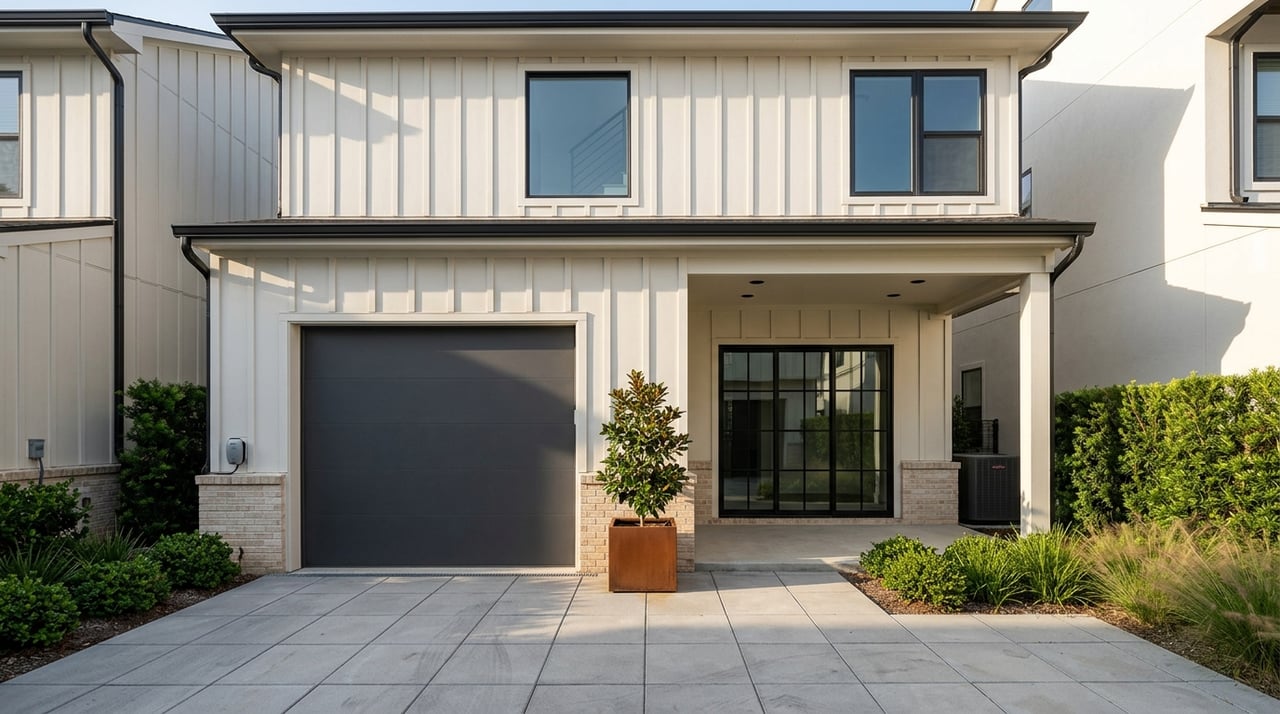
Buying a brand-new home in EaDo can feel like the easy choice. Everything is fresh, modern, and move-in ready. But in East Downtown, a polished finish does not tell you everything you need to know. Because Houston regulates development through ordinances rather than traditional zoning, the details around the block, lot, access, and approvals matter just as much as the countertops and flooring. If you want to make a smart decision, you need to look beyond the model-home appeal and evaluate the full picture. Let’s dive in.
Why EaDo needs a closer look
East Downtown sits in Houston City Council District I and includes the East Downtown Management District, which focuses on safety, accessibility, maintenance, planning, and project delivery, according to the City of Houston District I overview. That local context matters because EaDo is an urban infill area where one block can feel very different from the next.
Houston also does not have traditional zoning. Instead, development is guided by ordinance-based rules tied to subdivision, setbacks, parking, access, and site-plan review, as outlined by the City of Houston Planning & Development Department. For you as a buyer, that means a new construction home should be judged block by block, not just by the home’s interior finishes.
Compare more than finishes
Review the builder warranty closely
A new home may come with both legal protections and builder-provided warranty terms, but those are not the same thing. In a 2023 opinion, the Texas Supreme Court reaffirmed that implied warranties of habitability and good workmanship apply differently, and habitability can be waived only when defects are adequately disclosed.
That is why you should ask for the full express warranty booklet, not just a summary page. Review exclusions, repair timelines, and any arbitration or dispute-resolution language. If the home is marketed as complete and never occupied, the TREC New Home Contract for Completed Construction is the form framework referenced in the research, so paperwork and disclosures should match that reality.
A separate home warranty or residential service contract can also come up in the conversation, but TREC explains that this type of coverage is optional and is not a substitute for builder warranty obligations. It generally covers certain mechanical failures or normal wear issues rather than construction quality itself.
Check the floor plan for real-world use
In EaDo, efficient design matters. A home can look great online but function poorly once you live there. Garage depth, turning radius, tandem parking, alley access, and guest parking all deserve a closer look.
Houston’s site-plan review process checks compliance with lot size, setbacks, parking, landscaping, and related standards, and the city also points buyers to rules on off-street parking, driveways, sidewalks, and access requirements. In practice, you want to confirm whether the parking setup actually works for your daily routine, not just whether it passed review.
Evaluate outdoor space and drainage
Outdoor square footage can be misleading if it is not usable. A narrow patio, awkward roof deck, or poorly sloped side yard may not deliver the lifestyle you expect. In a dense infill neighborhood, privacy and drainage can matter more than raw size.
This is especially important in Houston, where site conditions can affect runoff and access. If the lot has visible grade changes, tight spacing, or unusual paving, take the extra time to understand how water moves around the property and whether outdoor areas are practical year-round.
Ask for proof on energy features
Verify ENERGY STAR claims
If a builder advertises energy efficiency, ask for the documentation. According to ENERGY STAR, certified homes must meet EPA requirements and go through third-party testing, inspection, and certification. The program notes that certified homes are at least 10% more efficient than homes built to minimum code.
The same source says these homes often include quality-installed insulation, high-performance windows, a well-sealed envelope, and efficient HVAC systems. ENERGY STAR also cites resale premiums of up to 8% for certified and similarly efficient homes. If that feature is part of the sales pitch, you should ask for the exact certification paperwork and verification details.
Ask about indoor air quality
Some builders may also mention Indoor airPLUS. EPA explains through its new home construction resources that Indoor airPLUS is a complementary label for homes with added indoor air quality measures.
If that label is advertised, ask which verification organization certified the home and what standards were met. That simple step can help you separate true performance features from marketing language.
Review rules beyond the house
Read deed restrictions and HOA documents
One of the biggest surprises for buyers in Houston is how much private restrictions can affect day-to-day ownership. The Houston Permitting Center says applicants for new construction and exterior work must upload a deed restrictions declaration form and should contact the civic club or HOA for a copy of the restrictions.
That matters because Texas law broadly recognizes restrictive covenants, property owners’ associations, and architectural control in residential communities. Before you close, review the CC&Rs, parking rules, fence rules, leasing rules if applicable, and any approval process for exterior changes. In EaDo, these documents can shape how you use the property long after move-in day.
Confirm floodplain and drainage records
Flood risk should never be treated as an afterthought in Harris County. The county states that flooding is its number one natural threat and that changes in new construction can alter runoff patterns, which is why buyers should use official tools and documentation when evaluating risk. The Harris County Floodplain Management page also notes that structures in a Special Flood Hazard Area require a Floodplain Development Permit and an elevation certificate.
Even if a home is not in a mapped high-risk area, the county still advises considering flood insurance. You can also review official mapping products through FEMA’s Flood Map Service Center as referenced in the county guidance.
For a new construction home in EaDo, ask about slab elevation, lot grading, drainage paths, and whether an elevation certificate exists when relevant. If the property is near a mapped flood hazard area or the grade looks unusual, request the drainage plan before you rely on appearances.
Do not skip the inspection
Understand what a standard inspection covers
Yes, a brand-new home should still be inspected. TREC’s inspection standards of practice define a residential inspection as a limited visual survey and basic performance evaluation of a substantially completed one- to four-family dwelling.
That limited scope is important. TREC states that inspectors are not required to use specialized tools such as thermal imaging or moisture meters, and they are not required to inspect hidden items, detached buildings, decks, fences, or concrete flatwork like driveways, sidewalks, walkways, paving stones, and patios.
Consider additional reviews when needed
Because the inspection is limited, some issues may call for more than a standard report. If you have concerns about drainage, site grading, moisture, or other conditions outside the normal scope, it can make sense to ask for additional specialty review.
This matters in EaDo, where urban infill conditions can make access, paving, and runoff just as important as the interior systems. A brand-new home is still a major investment, and a careful review helps you make that investment with more confidence.
Build a smart closing file
Gather the right documents
A strong closing file can help you avoid surprises after the sale. For a new construction home in EaDo, key documents should include:
- Warranty documents
- Deed restrictions or HOA package
- Survey or plat
- Flood or elevation documents, if relevant
- Permit and inspection history
- Confirmation that the finished home matches approved plans
Houston’s business portal says buyers and professionals can check permit records and inspection history, including permits sold within the last three years. That makes it easier to verify whether the paper trail supports the home you are buying.
Watch for common red flags
Some issues deserve extra scrutiny before you move forward. Based on the research, common red flags include:
- Missing permit history
- Vague warranty language
- Unreviewed HOA or deed restriction rules
- Weak parking or access design
- No flood or drainage documentation
None of these automatically kills a deal, but each one is a reason to ask better questions. In a neighborhood like EaDo, careful due diligence can protect both your budget and your long-term flexibility.
Buying new construction in East Downtown can be a strong move when the home, lot, and paperwork all line up. The key is to evaluate the property as a complete package, from block conditions and parking layout to warranty terms, drainage, and permit history. If you want experienced guidance on new construction, redevelopment areas, and neighborhood-level due diligence in Houston, connect with The Silva Group for practical, financially informed support.
FAQs
Is a new construction inspection worth it in East Downtown?
- Yes. TREC standards describe a home inspection as a limited visual review, so a brand-new home can still benefit from an independent inspection and additional specialty review when needed.
What documents matter most for a new EaDo home purchase?
- The most important documents typically include warranty terms, deed restrictions or HOA documents, survey or plat information, permit and inspection history, and flood or elevation records if relevant.
Why does block-by-block review matter for East Downtown homes?
- Houston uses ordinance-based development rules instead of traditional zoning, so nearby uses, parking layouts, setbacks, and redevelopment potential can vary meaningfully from one block to the next.
What should you ask about parking in an EaDo new build?
- Ask whether the garage is deep enough for actual use, whether parking is tandem or shared, whether alley access works smoothly, and whether visitor parking is realistic for your needs.
How do you verify energy-efficiency claims on a new Houston home?
- If the builder advertises ENERGY STAR or Indoor airPLUS, ask for the certification paperwork and the name of the third-party verification organization that certified the home.
What flood-related questions should you ask before closing on a new home in EaDo?
- Ask about slab elevation, lot grading, drainage paths, any elevation certificate, and whether the home required floodplain-related documentation or permits based on its location.