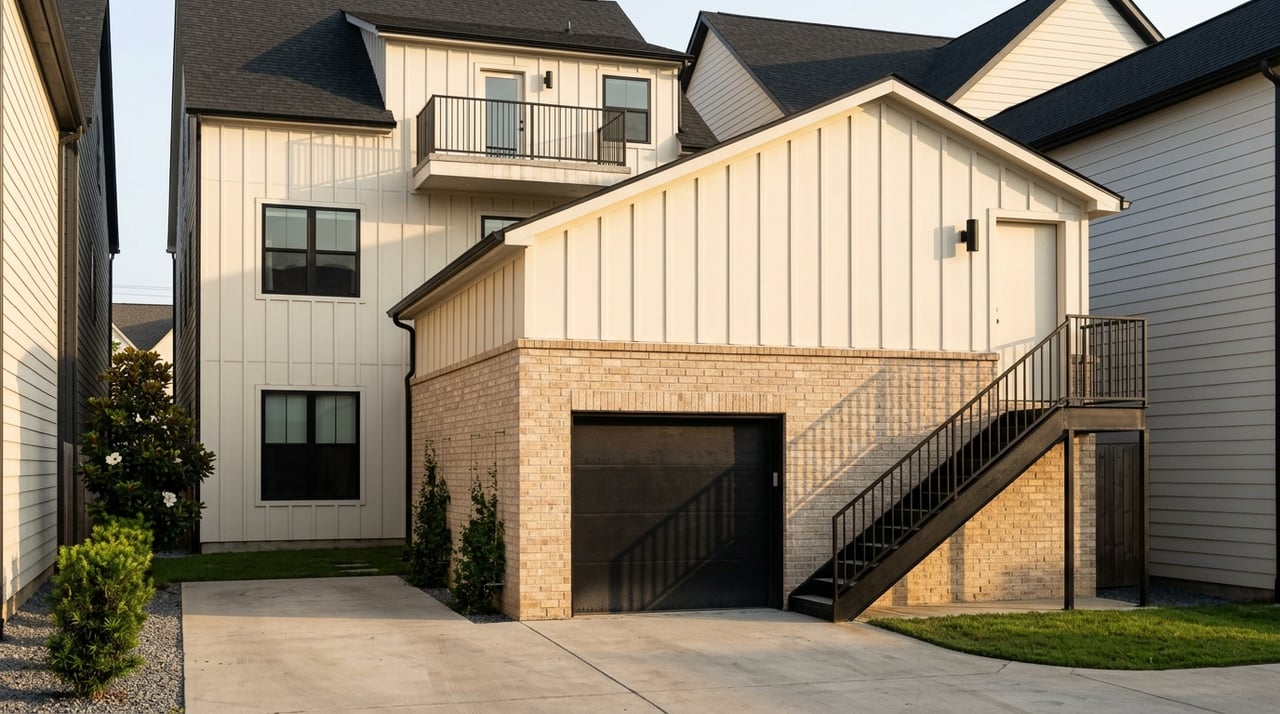
If you want to lower your housing cost in Houston without giving up location, house hacking can be a smart place to start. In Central Northwest, many buyers are drawn to the area’s proximity to Loop 610, established housing stock, and flexibility for creative ownership strategies, but the details matter. The good news is that you have options here, and the best results usually come from matching your financing, property type, and local rules before you make an offer. Let’s dive in.
Why Central Northwest fits house hacking
Central Northwest, covered by the City of Houston’s Oak Forest and Garden Oaks super neighborhood profile, sits between Pinemont, Shepherd, Loop 610, and US 290. In the city’s April 2021 profile, the area had 44,319 residents, 18,965 housing units, 91% occupied housing, and a median housing value of $362,795.
That profile also notes the area’s tree canopy, deed-restricted character, and appeal tied to access and location. For a buyer, that combination matters because it can support steady rental demand while also limiting what you can legally build or lease on certain lots.
At the metro level, Houston’s rental market remained active in May 2026. Single-family leased listings rose 5.2% year over year to 4,849, and the average lease price was $2,346. That does not guarantee positive cash flow, but it does support the idea that rental income may help offset part of your monthly housing cost.
What house hacking means here
House hacking simply means you live in the property while using part of it to generate income. In Central Northwest, that usually works best as a rent-offset strategy, not a guaranteed profit play from day one.
The strongest local setups are usually:
- Renting out a bedroom or part of a single-family home
- Buying a home with a detached ADU or garage apartment
- Adding a detached second dwelling unit where rules allow
- Buying an owner-occupied duplex, triplex, or fourplex
Your best option depends on deed restrictions, parking, lot conditions, floodplain review, and financing rules. In Houston, flexibility exists, but feasibility still has to be proven property by property.
Start with the lowest-friction path
Room rentals in single-family homes
For many buyers, renting out a room is the easiest way to start. In a deed-restricted single-family area like parts of Central Northwest, a room rental or partial-house arrangement can be the simplest path because you may not need to change the structure of the property.
Financing can sometimes help here too. Fannie Mae says its HomeReady product may allow documented boarder income if guidelines are met, and HUD announced greater flexibility in 2025 for rental income from boarders. The key word is documented, because lender rules are product-specific and not every rent scenario will count toward qualification.
If you are planning to rely on roommate income, confirm that with your lender early. You do not want to assume income will be counted, then find out late in the process that your file needs a different structure.
Detached ADUs and garage apartments
A second common strategy is a detached ADU or garage apartment. Houston does not have citywide zoning, and Chapter 42 states that a lot with one dwelling unit plus a detached secondary dwelling unit of no more than 900 square feet is still treated as single-family residential.
The city’s Livable Places materials refer to these as second dwelling units, ADUs, or garage apartments. On the financing side, HUD’s 2023 Mortgagee Letter 2023-17 expanded FHA options for properties with existing ADUs, rehabs to add ADUs, or new homes with ADUs.
This can be an appealing model if you want more privacy than a roommate setup. You live in the main home, lease the detached unit, and keep the property functioning as a primary residence. Still, you need to verify whether the lot, restrictions, and site conditions actually support that plan.
Owner-occupied duplexes, triplexes, and fourplexes
If your goal is stronger income potential, an owner-occupied small multifamily property is the most direct version of house hacking. City code defines multi-family residential as properties with three or more dwelling units, including triplexes and quadriplexes.
FHA treats one- to four-family properties as eligible owner-occupied principal residences, with at least one borrower required to occupy within 60 days. For three- to four-unit properties, FHA applies a self-sufficiency rental-income test, which makes the underwriting more numbers-driven.
Conventional options exist as well. HomeReady supports two- to four-unit principal residences and requires a 5% borrower contribution on two- to four-unit principal residences when the loan-to-value ratio is above 80%. Freddie Mac also offers mortgages for two- to four-unit primary residences.
Houston rules can change the deal
Deed restrictions matter first
A lot of buyers hear that Houston has no zoning and assume almost anything is possible. In practice, that is not how Central Northwest works.
The City’s Livable Places FAQ makes clear that the City cannot override active deed restrictions. If recorded restrictions prohibit more than one dwelling unit on a lot, the City will not allow a duplex there, even if city code might otherwise permit it.
That is why deed restrictions should be part of your early screening, not a last-minute legal detail. A property can look perfect for house hacking on paper and still fail the feasibility test because of subdivision-specific private restrictions.
Parking is a real constraint
Parking can make or break an ADU plan. Chapter 42 states that a secondary dwelling unit of no more than 900 gross square feet requires one additional off-street parking space.
That sounds simple until you start reviewing actual lot layouts. Driveway width, access, setbacks, and usable yard area can all affect whether the extra parking can be added in a way that passes review.
Floodplain review and site review count
For additions and conversions, the City’s development regulations say site plans are reviewed for parking, tree and shrub requirements, setbacks, and access. The permitting system can also route a project through floodplain review when work is inside the 100-year floodplain, 500-year floodplain, or floodway.
In Houston, this is not a small detail. A property may be affordable and well located, but if drainage, floodplain issues, or permit costs are heavy, the numbers can change fast.
Small-lot protections may apply
If you are looking at a smaller lot, neighborhood-initiated minimum lot size or minimum building line protections may also matter. The City says these tools are block-specific and help protect existing development patterns.
That means you should verify the plat, map status, and recorded restrictions before assuming a second unit is feasible. Infill logic alone is not enough in this part of Houston.
Financing strategies to discuss early
House hacking works best when the financing conversation starts before the home search gets too far ahead. The property type you choose can affect down payment, reserves, qualifying income, and how much projected rent a lender will consider.
FHA can be attractive for owner-occupants because HUD says down payments can be as low as 3.5% on one- to four-unit properties. By comparison, many conventional loans require mortgage insurance when the down payment is below 20%.
HomeReady is one conventional option that allows two- to four-unit principal residences, counts documented rental income from the subject property, and requires a 5% borrower contribution on two- to four-unit principal residences when loan-to-value is above 80%. If you are thinking about roommate income, ADU rent, or other projected offsets, ask your lender exactly what documentation is needed and what income can be used.
Underwrite conservatively
The biggest mistake in house hacking is treating gross rent like guaranteed income. A smarter approach is to build your budget around partial offset, not perfect occupancy.
FHA’s self-sufficiency framework for three- to four-unit properties uses the appraiser’s rent estimate and subtracts vacancy and maintenance. That is a useful mindset even if you are not buying a three- or four-unit property.
Before you commit, model your full monthly cost, including:
- Principal, interest, taxes, and insurance
- HOA dues, if any
- Utilities
- Routine repairs and maintenance
- Capital reserves for larger future items
- Vacancy factor
- Closing costs, which Fannie Mae notes commonly run 2% to 5% of purchase price
If the deal only works under perfect conditions, it may not be the right deal. A strong house hack should still make sense when you stress test the numbers.
Lease basics for Texas owners
If you plan to rent a room or small unit, Texas lease rules matter. A written lease can set notice requirements, and for month-to-month tenancies, Texas Property Code 91.001 generally makes termination effective on the later of the notice date or one month after notice is given, unless the parties agreed to a different notice rule.
Texas law also says subletting requires the landlord’s prior consent under Section 91.005. If you are buying a property to live in and lease part of it, that matters most when you are evaluating current tenant situations or inherited lease arrangements.
For an eviction suit, Texas law generally requires at least three days’ written notice to vacate unless the lease sets a different period. Security deposits must be returned or itemized within 30 days after the tenant surrenders the premises, and normal wear and tear cannot be deducted.
These rules are one more reason to use a solid written lease and clear house rules from the start. A simple setup usually runs better when expectations are documented.
Best-fit strategy for Central Northwest
For most buyers in Central Northwest, the best starting point is a single-family home with either a legal room-rental setup or a detached ADU where the lot and restrictions support it. That route often offers a better balance of neighborhood fit, financing flexibility, and day-to-day livability.
The next step up is an owner-occupied duplex or fourplex, especially if your priority is stronger income potential. Those deals can work well, but they require tighter review of deed restrictions, parking, layout, and underwriting rules.
In short, Houston’s no-zoning reputation creates opportunity, but opportunity is not the same as entitlement. In Central Northwest, the real winners are usually the buyers who verify restrictions, model conservative numbers, and choose a strategy that fits both the property and the rules.
If you want help comparing house-hack options in Central Northwest, analyzing rent-offset potential, or screening a property for redevelopment and rule-related fit, The Silva Group can help you approach the numbers with clarity.
FAQs
What is house hacking in Central Northwest Houston?
- House hacking in Central Northwest Houston usually means living in the property while renting out a room, a detached ADU, or another unit to help offset your housing payment.
Can you build an ADU in Central Northwest Houston?
- Sometimes, yes. Houston’s Chapter 42 allows one dwelling unit plus one detached secondary dwelling unit of up to 900 square feet in certain cases, but you still need to verify deed restrictions, parking, setbacks, and site conditions.
Do deed restrictions affect house hacking in Central Northwest?
- Yes. In Central Northwest, active deed restrictions can block a second dwelling unit or duplex plan even when city code would otherwise allow it.
Can rental income help you qualify for a Central Northwest house hack?
- Sometimes. Products like HomeReady may allow documented rental or boarder income in certain situations, and FHA also has rules for rental income on one- to four-unit owner-occupied properties, but lender requirements are specific to the loan program and file.
Is parking important for a Houston ADU plan?
- Yes. Houston’s Chapter 42 says a detached secondary dwelling unit of up to 900 square feet requires one additional off-street parking space, so parking should be reviewed early.
What should you budget for before buying a house hack in Central Northwest?
- You should budget for mortgage payment, taxes, insurance, utilities, maintenance, reserves, vacancy, HOA dues if applicable, and closing costs, rather than assuming all projected rent will be available immediately.