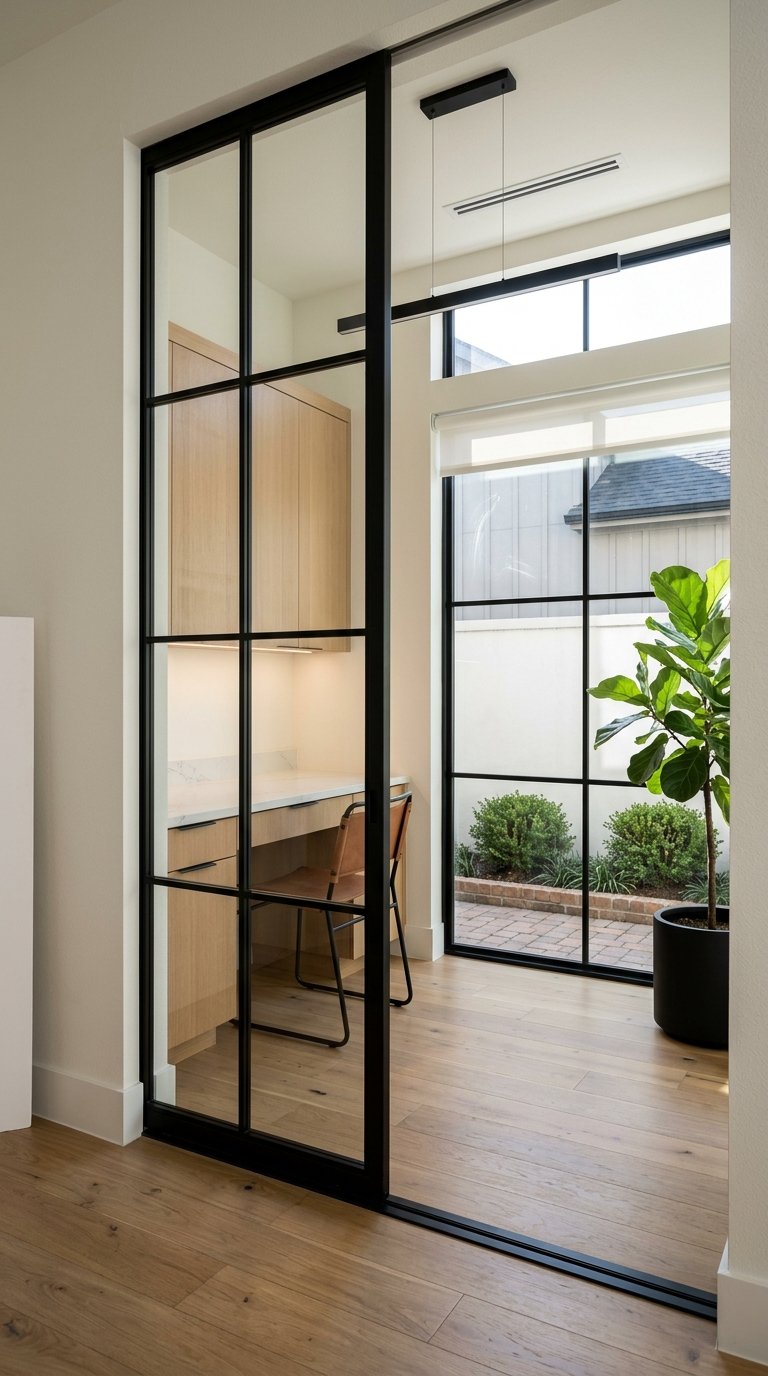
If your home now doubles as your office, meeting room, and mid-day reset space, where you live matters more than ever. In Houston Heights, that question is not just about square footage. It is about finding a home and neighborhood that support how you actually work each day. This guide breaks down how Houston Heights homes can fit remote work life, what types of layouts may suit you best, and what to look into before you buy. Let’s dive in.
Why Houston Heights Works for Remote Life
Houston Heights has deep roots as a live-work neighborhood. According to the City of Houston, it was founded in 1891 as Texas’ earliest planned community, with development tied to streetcar access so residents could work downtown while living in the neighborhood. The original plan also included industrial and commercial areas, which helped create a place where people could live, work, and shop in one community.
That history still shows up in how the neighborhood functions today. The 19th Street corridor remains a commercial spine with local shopping and dining built into the historic street grid. For remote and hybrid workers, that kind of setup can make daily life feel more flexible and less car-dependent for quick errands, lunch breaks, or a change of scenery.
Houston Heights Home Types
Historic bungalows and cottages
Most buildings in Houston Heights are one- or two-story single-family homes. The City of Houston identifies common styles such as Queen Anne, Craftsman, Folk National, and Folk Victorian, with many bungalows featuring wide eaves, large windows, and practical room layouts.
For remote work, these homes often offer features buyers notice right away. Large windows and transoms were originally designed to improve comfort before air conditioning, and they can still make rooms feel bright and usable for a home office. Separate rooms, front parlors, dining rooms, or bonus spaces can also give you more flexibility than a single open-plan layout.
Larger historic homes
The city notes that homes on Heights Boulevard and the parallel streets Yale and Harvard tended to be larger, and larger homes were often found on corner lots. If you need a dedicated office, studio, guest room, or a second flex space, that detail can matter.
For some buyers, these larger homes are a strong fit because they offer more options without forcing every function into one room. If your workday includes video calls, quiet focus time, or equipment storage, an extra room can make a real difference in how the home feels long term.
Newer infill and townhomes
Houston Heights is not limited to early-1900s housing stock. City records note that modern buildings have been added on vacant lots, often with traditional design details that blend into the area, and the neighborhood inventory also includes townhouse and garage-apartment examples.
That mix creates more choice for today’s buyers. If you like historic character, you may prefer an older home with distinct rooms and original features. If you want more separation between work and living areas, a newer vertical townhome may suit you better, with one floor serving as office space and another reserved for daily living.
Features That Help You Work Better at Home
Not every remote-friendly home looks the same, but a few layout traits tend to stand out in Houston Heights.
Separate rooms for focus
Older Houston Heights homes often have more defined spaces than many newer open-concept properties. That can be helpful if you need to shut a door for meetings, keep your desk out of sight after hours, or create a better boundary between work and home life.
Natural light and window placement
Many historic homes in the Heights were designed with large windows and transoms to improve airflow and comfort. Today, those same features can make a home office feel brighter and less boxed in during a full workday.
Flexible bonus spaces
Detached garages, garage apartments, and larger corner-lot homes are part of the neighborhood’s built history. Depending on the specific property, these types of spaces may offer useful flexibility for an office, studio, or meeting area. If future flexibility matters to you, these are smart features to ask about during your search.
The Neighborhood Supports Hybrid Work Too
Remote work is not always about staying home all day. Many buyers want a neighborhood that gives them backup options close by, and Houston Heights offers several practical ones.
Library access when you need a change
The Heights Neighborhood Library at 1302 Heights Blvd is the first branch library built in Houston. Houston Public Library says its system offers computer access at all locations, indoor and outdoor Wi-Fi, reserve study and meeting rooms, and take-home tablets and laptops across 44 locations.
That gives you a nearby option when your home is noisy, your internet needs a backup, or you want a more focused setting for part of the day. The local branch also lists meeting rooms and events, which adds another layer of day-to-day convenience.
Coworking close to home
The Cowork Lab, located at 2500 Yale Street, offers a neighborhood coworking option with meeting rooms and high-speed internet. For hybrid workers, that can be useful for calls, client meetings, or days when you need a more structured work environment without a long commute.
Easy break-time routines
A strong remote-work neighborhood should make it easy to step away from your screen. The 19th Street corridor includes shops, dining, events, and a live music venue, while the Heights Boulevard esplanade has a walking path. The Houston Parks Board also notes that the White Oak Bayou Greenway intersects the Heights Hike and Bike Trail three times through the historic Heights area.
Those small nearby options matter. A quick walk, coffee run, or trail break can make your workday feel more balanced and sustainable.
What Buyers Should Check Before They Buy
A remote-work-friendly floor plan is important, but so is knowing what you can and cannot change later.
Historic district rules matter
Houston Heights contains three City of Houston historic districts. The city states that exterior changes must be approved in advance, and neighborhood deed restrictions or civic association review may also apply in some cases.
If you are thinking about enclosing a porch, adding onto the house, changing garage placement, or making another visible exterior update to create office space, that due diligence should happen before closing. The city’s design guidelines include rules related to setbacks, porches, roofs, and garage placement.
Interior flexibility may be easier than exterior expansion
For many buyers, the key question is not just whether a home works today, but whether it can adapt later. In the Heights, a home may offer enough interior flexibility for remote work now, while future exterior additions could require more planning and review.
That is one reason property selection matters. A layout that already includes a bonus room, larger bedroom, garage apartment, or extra flex area may save you time and reduce uncertainty later.
How to Choose the Right Fit
If you are comparing homes in Houston Heights, focus on how your work routine actually functions day to day.
Ask yourself:
- Do you need a fully separate office with a door?
- Would a brighter front room or spare bedroom work well enough?
- Do you want a historic home with character and defined rooms?
- Would a newer townhome give you better work-life separation?
- Are you counting on future changes or additions to create more workspace?
- Do nearby library, coworking, and trail access matter to your weekly routine?
A clear answer to those questions can help narrow the right property type faster. It can also keep you from overpaying for features you do not need, or missing a home that fits your routine better than the photos suggest.
Why Local Guidance Helps in the Heights
Houston Heights gives buyers a rare mix of historic character, practical daily amenities, and multiple housing types. That is part of what makes it so appealing for remote workers, but it also means two homes at a similar price point can offer very different long-term value depending on layout, lot position, and future flexibility.
That is where local guidance matters. When you understand the neighborhood block by block, the housing stock, and the review considerations tied to historic districts, you can make a more confident decision that supports both your lifestyle and your budget.
If you are exploring Houston Heights and want a clear, financially informed view of which homes best match your remote work needs, connect with The Silva Group. We help buyers evaluate layout, flexibility, and neighborhood fit so you can make a smart move with confidence.
FAQs
What makes Houston Heights a good fit for remote work?
- Houston Heights combines live-work history, varied home styles, the 19th Street commercial corridor, library resources, a local coworking option, and trail access that can support both remote and hybrid routines.
Which Houston Heights homes work best for a home office?
- Larger historic homes, especially those on Heights Boulevard, Yale, or Harvard, may offer more room for a dedicated office, while newer townhomes may provide stronger separation between work and living areas.
Can you add office space to a Houston Heights home later?
- Possibly, but if the home is in one of the City of Houston historic districts, exterior changes must be reviewed in advance and may also be affected by deed restrictions or civic association review.
Are historic Houston Heights homes good for working from home?
- Many can be, especially because they often include large windows, separate rooms, and flexible layouts that may work well for office use.
What neighborhood amenities support hybrid work in Houston Heights?
- Useful options include the Heights Neighborhood Library, The Cowork Lab on Yale Street, the 19th Street corridor, the Heights Boulevard walking path, and trail connections through the White Oak Bayou Greenway and Heights Hike and Bike Trail.
What should buyers verify before buying a remote-work-friendly home in Houston Heights?
- Buyers should confirm whether the property sits in a historic district, review any applicable exterior change rules, and look closely at whether the current layout already meets their work-from-home needs.