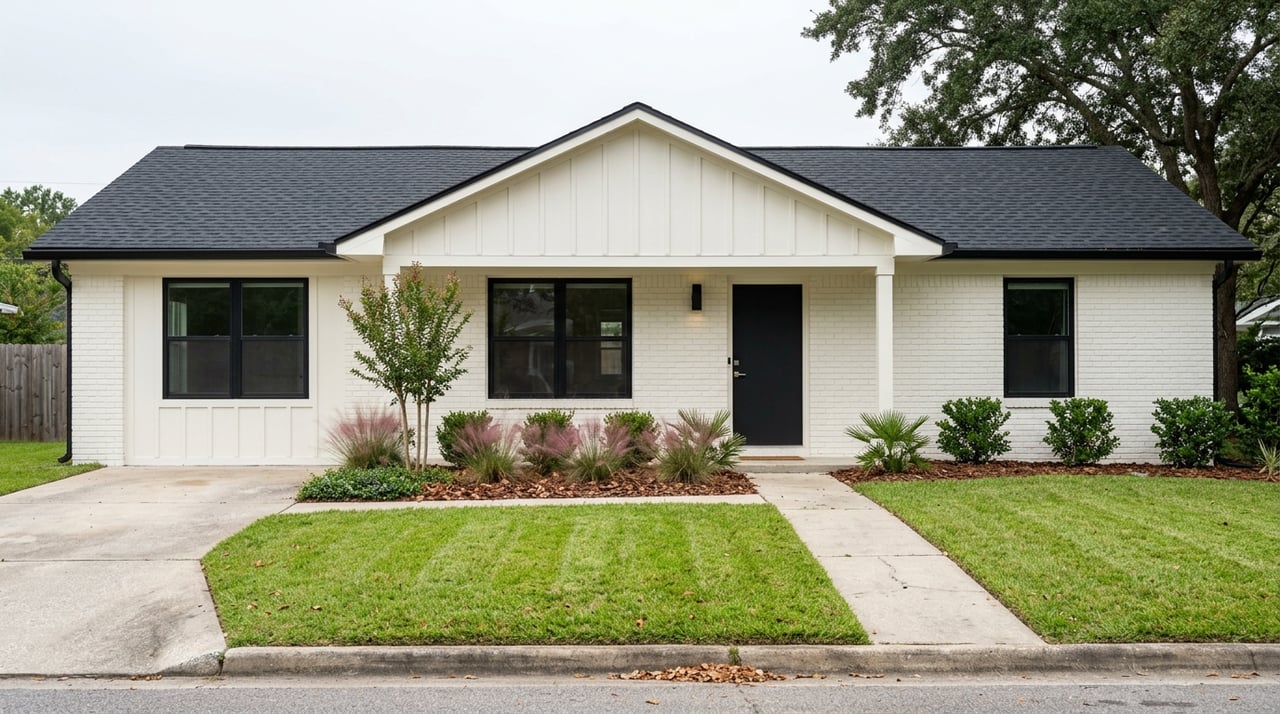
Selling a starter home in Acres Home can feel simple at first, until you start asking the big questions. What should you fix, what can you skip, and how do you price your home in a neighborhood where online estimates do not always match? If you want to attract serious buyers without overspending, a smart plan matters. Here is how to prepare your home, price it well, and launch with confidence. Let’s dive in.
Understand the Acres Home buyer mindset
Acres Home is Houston Super Neighborhood 6, located in the northwest part of the city. City planning data shows that single-family residential land use is the majority, with 11,221 housing units total, including 8,463 detached homes. The area also includes a mix of owner-occupied and renter-occupied homes, which helps explain why both owner-occupants and investors may be part of your likely buyer pool.
That mix matters when you prepare to sell. In a market like this, buyers often focus on move-in readiness, limited near-term maintenance, and a monthly payment that fits their budget. For a starter home seller, that means your home’s condition and your pricing strategy can have a direct impact on showings and offers.
Focus on low-cost improvements first
If you are selling a starter home, you usually do not need a major remodel to make a strong impression. Freddie Mac’s seller guidance points to practical prep steps that matter most, including deep cleaning, decluttering, depersonalizing, fixing visible defects, and improving curb appeal. These updates are cost-effective and help buyers feel that the home has been cared for.
Start with the basics that buyers notice right away. Clean every room thoroughly, remove excess furniture, clear off counters, and pack away personal items like family photos. When a home feels open and easy to picture living in, buyers tend to respond more positively.
Prioritize repairs buyers can see
Visible issues can make buyers worry about bigger hidden problems. A leaky faucet, a broken door handle, scuffed trim, or burnt-out light bulbs may seem minor, but together they can make the home feel neglected. Fixing small defects before listing can improve first impressions without blowing your budget.
For many Acres Home starter homes, these cosmetic details matter more than expensive upgrades. In a payment-sensitive market, buyers may be willing to overlook finishes that are not brand new, but they are less likely to ignore deferred maintenance. A clean, functional home often performs better than one with flashy updates and obvious wear.
Make curb appeal count
Your exterior sets the tone before buyers even step inside. Freddie Mac recommends simple curb appeal improvements like fresh mulch, flowers, and a tidy lawn. These are small touches, but they can help your home look cared for from the street and in listing photos.
If you are working with a limited budget, focus on what creates a clean first look. Sweep walkways, trim overgrowth, remove debris, and make sure your front door area feels welcoming. For a starter home, neatness often matters more than expensive landscaping.
Stage the rooms that matter most
Staging is not only for luxury homes. According to NAR’s 2025 staging research, 83% of buyers’ agents said staging makes it easier for buyers to visualize a property as a future home. That is especially important for starter homes, where buyers may be comparing several options and making fast decisions.
You do not need to stage every room perfectly. The same NAR report found that the living room, primary bedroom, and kitchen are the most important spaces to stage. If your time or budget is limited, start there.
Keep the look bright and simple
In a starter home, staging should help rooms feel bright, functional, and spacious. Use fewer decorative items, remove bulky furniture when possible, and let natural light in. Clean surfaces and simple layouts can make the home feel easier to live in from day one.
This approach also supports your online marketing. Buyers often decide whether to schedule a showing based on photos alone, so a room that looks clean and open in person should also look strong on camera.
Invest in strong listing visuals
Good marketing starts with good preparation. NAR’s staging research found that 73% of buyers’ agents said photos were important, 48% said videos were important, and 43% said virtual tours were important. That means your home should be fully cleaned, lightly staged, and photo-ready before the listing goes live.
Do not rush to market with unfinished prep. If your first online impression shows clutter, dim lighting, or obvious repair issues, some buyers may scroll past without ever visiting. A strong visual launch can help your home stand out, even in a competitive price range.
Prepare before photography day
A successful photo day usually comes down to details. Replace dead bulbs, open blinds, hide cords, remove trash cans, and clear bathroom and kitchen counters. These quick steps can improve the look of every room without adding much cost.
If possible, think about photography as part of your pricing strategy, not a separate step. Better visuals can support stronger interest early, which matters when buyers are comparing value closely.
Price with local comps, not one estimate
One of the biggest mistakes sellers make is choosing a list price from a single website estimate. In Acres Home, public-facing price signals vary quite a bit. Recent data shows a median sale price of $326,385 over the last three months from Redfin, a median listing price of $330,000 from Realtor.com, a typical home value of $223,149 from Zillow as of June 30, 2026, and a median market value of $283,370 on HAR’s neighborhood trends page.
That spread is a clear reminder that online numbers are only directional. They use different methods, timeframes, and property pools. Your list price should come from a local comparative market analysis that weighs recent sales, current competition, square footage, lot size, condition, and upgrades.
Why pricing discipline matters now
Houston market conditions support a realistic launch price. HAR reported that single-family sales were up year over year in both April and June 2026, while active listings also increased and days on market ranged from 52 to 60. That tells you buyers are active, but they also have choices.
Affordability remains a real factor. HAR’s Q1 2026 affordability report said 42% of Houston-area households could afford a median-priced home, with a median home price of $331,500, an estimated annual income need of about $96,000, and a typical monthly payment of about $2,400. If your starter home is overpriced, payment-sensitive buyers may skip it before they ever step inside.
Get timing and launch strategy right
If your timeline is flexible, preparation should come before listing. Redfin’s 2026 analysis identified late April as the best time to list nationally, and Houston spring and early summer data from HAR also showed stronger buyer activity in April and June than earlier in the year. The bigger takeaway is not just seasonality, but readiness.
A polished launch usually beats a rushed one. It is often better to spend time finishing repairs, staging key rooms, and getting professional photos than to list first and promise updates later. The first week on the market can shape the rest of your sale.
Gather flood and repair records early
In Harris County, flood and drainage questions are important parts of due diligence. The county notes that homes in the 100-year floodplain have a 26% chance of flooding over a 30-year mortgage period, and it also states that flood risk exists outside mapped zones. MAAPNext also notes that FEMA flood map updates may affect flood insurance requirements in Harris County.
For you as a seller, that means organization matters. If you have them, gather flood claims records, drainage work documentation, roof receipts, HVAC receipts, and permit records before your home hits the market. Having these details ready can help reduce delays and give buyers more confidence.
A practical seller checklist
If you want a straightforward path to market, focus on the prep items that create the most value for the least cost.
- Deep clean the home from top to bottom
- Declutter and remove personal items
- Fix visible defects like leaks, handles, bulbs, and trim scuffs
- Tidy the lawn and refresh the front entry
- Stage the living room, primary bedroom, and kitchen first
- Schedule photos after cleaning and staging are complete
- Price from local comps, not one online estimate
- Gather maintenance, flood, and repair records before listing
Why this strategy works in Acres Home
Acres Home offers a large base of detached housing, a mix of owners and renters, and a price range where buyers tend to watch both condition and monthly payment closely. That creates an opportunity for sellers who prepare thoughtfully. When your home looks clean, feels well maintained, and is priced from real local data, you give yourself a better chance to attract serious buyers early.
That is where a clear plan can make a difference. If you want help building a pricing strategy, reviewing neighborhood comps, or preparing your starter home for market, The Silva Group can help you move forward with confidence.
FAQs
What should you fix before selling a starter home in Acres Home?
- Focus on visible, low-cost repairs such as leaky faucets, broken handles, scuffed paint, burnt-out bulbs, and basic exterior cleanup.
How should you price a starter home in Acres Home?
- Use a local comparative market analysis based on recent sales, current competition, home condition, square footage, lot size, and upgrades rather than relying on one online estimate.
What rooms matter most when staging a starter home in Acres Home?
- The living room, primary bedroom, and kitchen are the top rooms to stage because they help buyers picture daily life in the home.
When is the best time to list a home in the Houston area?
- If your schedule is flexible, late spring is often a strong listing window, but the most important step is finishing repairs, staging, and photos before going live.
What documents should you gather before listing a home in Acres Home?
- If available, gather flood claims history, drainage work records, roof and HVAC receipts, and permit documentation before putting the home on the market.