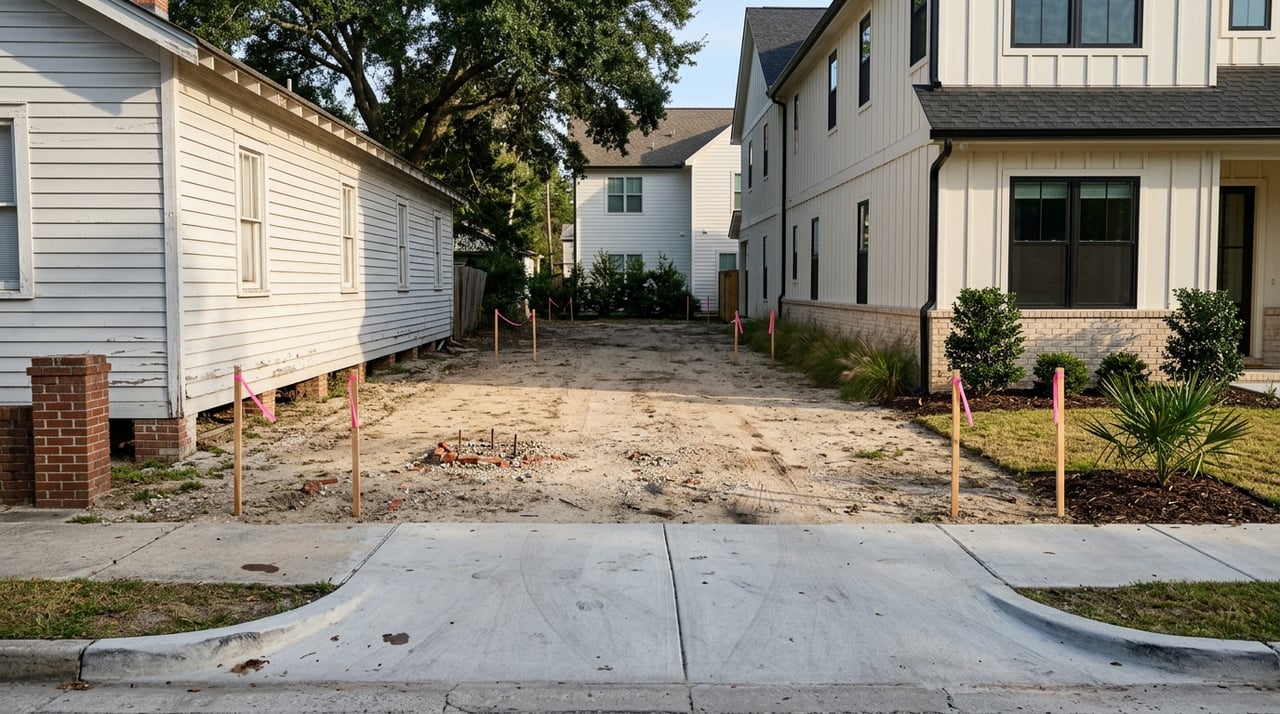
If you are scouting lots in Greater Third Ward, the biggest mistake is assuming every teardown or vacant parcel can support the same play. This neighborhood sits close to Downtown and the Texas Medical Center, but lot economics here still depend on block-by-block fit, access, restrictions, and resale reality. If you want to build with more confidence, this guide will help you screen lots the smart way before you commit capital. Let’s dive in.
Why Greater Third Ward Gets Attention
Greater Third Ward is one of Houston’s most historic neighborhoods, and it continues to attract new investment. The City of Houston identifies major anchors here such as Texas Southern University, Emancipation Park, Riverside Hospital, and long-standing churches and civic institutions.
At the same time, the area is changing quickly. City planning documents note both new home development and real pressure around displacement and loss of historic character. For a small developer, that means you are not just evaluating a site. You are also working within a neighborhood where housing supply, neighborhood character, and public investment all matter.
What the Local Data Signals
The City of Houston’s 2023 profile for Greater Third Ward reports 16,410 residents, 6,236 housing units, and an 82% occupancy rate. The same profile shows a median household income of $40,786 and a median house value of $355,385.
That gap matters when you underwrite a lot. It suggests you need to be careful about exit pricing and product type, rather than relying only on location advantages. A strong address near central Houston does not automatically mean every new build will match the local buyer pool.
There is also clear evidence of turnover and infill opportunity. The city’s action plan says more than 500 homes were demolished between 2010 and 2016, while a city-led housing partnership is building 47 affordable homes in Greater Third Ward. That points to an active replacement cycle, not a frozen neighborhood with little room for new product.
Start With Lot Feasibility
Houston does not use zoning in the same way many other cities do, but that does not mean anything goes. The Planning and Development Department still reviews plats and site plans for items like streets, right-of-way, building lines, setbacks, access, parking, and tree or shrub requirements under applicable city rules.
Before you buy, you want to confirm whether the lot is already platted and whether your plan requires a replat. If it does, that replat still has to comply with city requirements and any applicable deed restrictions. This is one of the first places where small developers can save time and avoid expensive surprises.
Check Platting Early
A platted lot may still need changes if you want to adjust lot layout or shift how the site functions. Replatting can open opportunities, but it is not automatic.
Your acquisition review should answer a few basic questions:
- Is the parcel already platted?
- Will your intended layout require a replat?
- Do existing building lines affect your footprint?
- Are there site-plan issues tied to parking, access, or landscaping?
If these answers are unclear before closing, your risk goes up fast.
Review Frontage and Street Type
Frontage is not a small detail in Greater Third Ward. The City’s Major Thoroughfare & Freeway Plan distinguishes local streets, collectors, and major thoroughfares, and each one supports different traffic patterns and access conditions.
In practical terms, a lot on a quiet local street may fit a very different product than a parcel on a busier corridor. The same square footage can have very different development potential depending on how cars enter, how parking works, and how the finished project reads from the street.
Watch for Minimum Lot Size Rules
Some blocks in Houston are covered by special minimum lot size ordinances or special minimum building line ordinances. These rules can prevent subdivision below a designated minimum or require new structures to sit behind a set building line.
Not every block in Greater Third Ward is covered, which is exactly why you should not make assumptions. A teardown that looks simple from the curb may have limits that affect subdivision plans, setbacks, or how much building area you can actually use.
Why Building Lines Matter
Building lines can change your layout, parking strategy, and final product size. If you are planning a narrow infill design, even a small shift in usable depth can affect the whole deal.
That is why this check belongs in your upfront underwriting. It is much better to adjust your offer price around real constraints than to discover them after hard costs begin.
Deed Restrictions Can Change the Deal
Deed restrictions are one of the most important lot checks in Greater Third Ward. The City of Houston notes there is not one citywide set of deed restrictions, and restrictions can vary by subdivision or even by individual lot.
That means you need to review recorded restrictions as part of your acquisition process, not as an afterthought. The Planning Commission can disapprove a replat that violates deed restrictions, so this is a core risk-control step for any small developer.
A good working checklist includes:
- Recorded deed restrictions
- Title review
- Use limitations
- Building placement rules
- Any restrictions affecting density or site layout
Flood Risk Should Be in Every Underwrite
Flood risk and drainage should be priced into every lot decision in Harris County. The Harris County Flood Control District says major floods occur in the county about every two years, and its flood education mapping tool provides updated FEMA floodplain information.
The City’s affordable-home program in Greater Third Ward also requires new projects to be outside the floodway and 100-year floodplain, with added rules if a property falls in the 500-year floodplain. Even if your project is not part of that program, those standards show how seriously floodplain conditions can affect feasibility, design, and cost.
Floodplain Questions to Ask
Before you move forward, confirm:
- Whether the parcel is in a floodway
- Whether it is in the 100-year floodplain
- Whether it falls in the 500-year floodplain
- Whether drainage conditions could limit your buildable area
- Whether flood-related requirements could change your budget or timeline
A lot can look attractive on paper and still become a weak deal if flood-related design changes eat into margins.
Match the Product to the Block
One of the clearest patterns in city planning documents is that density should fit location. The Third Ward redevelopment plan points higher density toward major corridors like Scott and Dowling Streets, while interior blocks remain primarily single-family in character.
The same plan says mixed-use structures fit the main circulation corridors, and higher-density townhomes or duplexes should generally stay within one to two blocks of major thoroughfares. For a small developer, this is a practical framework: the best product is not always the densest one. The best product is the one that fits the lot, the street, and the surrounding block pattern.
Interior Blocks Often Favor Single-Family
If your lot sits deeper inside a residential section of Greater Third Ward, detached single-family may be the more defensible exit. That aligns with the city’s planning direction and with current city-backed housing activity, including the 47 affordable homes being built in the area for eligible buyers.
This matters because it shows house-scale product still has institutional support in the neighborhood. Not every lot needs to become a townhouse project to make sense.
Corridors Can Support More Intensity
Lots on stronger streets or near main corridors may support townhomes, small multifamily, or mixed-use more naturally. The city’s Walkable Places program also selected Emancipation Avenue in Third Ward as a pilot area for more pedestrian-friendly private property rules.
That policy signal supports a corridor-based strategy. In other words, denser product tends to make the most sense where street conditions, mobility patterns, and neighborhood planning already point in that direction.
Design Fit Still Matters
The Third Ward redevelopment plan offers useful guidance on what local fit looks like. Community preferences included 50-foot-wide lots, 25-foot front setbacks, side-access or rear parking, and exterior materials that match neighborhood context, with brick highlighted as a preferred material.
You do not need to copy one exact style, but you do need to pay attention to scale and streetscape rhythm. A project that fits the block often has a cleaner resale path than one that feels disconnected from surrounding homes.
Build Your Underwrite Around Risk Control
For small developers, the smartest move is to treat lot screening as part of dealmaking, not just due diligence after the fact. The official data suggests Greater Third Ward rewards disciplined basis, realistic pricing, and product selection tied closely to the actual street context.
A practical pre-acquisition checklist should include:
- Plat status
- Replat need
- Street classification and access
- Minimum lot size or building-line rules
- Deed restrictions
- Floodplain status
- Product fit for that specific block
When those pieces line up, your path from acquisition to resale is usually much clearer. When they do not, even a well-located lot can become a slow and expensive lesson.
How The Silva Group Helps
If you are evaluating a lot in Greater Third Ward, you need more than a quick opinion on price. You need neighborhood context, valuation guidance, and a practical read on how a site may align with local development patterns.
That is where development experience and financial discipline can make a real difference. Whether you are looking at a teardown, a vacant lot, or a new-construction resale strategy, the goal is to line up the numbers with what the block can realistically support.
If you want a data-driven perspective on lot value, resale potential, or new-construction positioning in Greater Third Ward, connect with The Silva Group.
FAQs
What should you check before buying a lot in Greater Third Ward?
- You should check plat status, possible replat needs, street classification, minimum lot size or building-line rules, deed restrictions, and floodplain status before you buy.
What type of project fits interior blocks in Greater Third Ward?
- City planning documents generally support detached single-family homes on interior residential blocks, with higher-density product concentrated closer to major corridors.
What type of project fits major corridors in Greater Third Ward?
- Lots on or near major corridors may be better suited for townhomes, small multifamily, or mixed-use projects when access, parking, and surrounding context support that intensity.
Do deed restrictions matter in Greater Third Ward lot development?
- Yes. Deed restrictions can vary by subdivision or lot, and a replat that violates them can be disapproved, so recorded-restriction review should be part of your acquisition budget.
Why does floodplain status matter for Greater Third Ward lots?
- Floodplain status can affect design, budget, timeline, and overall feasibility, especially if a lot falls in a floodway, 100-year floodplain, or 500-year floodplain.
Why is product fit so important for Greater Third Ward resale?
- Greater Third Ward has strong location advantages, but local income levels, street context, and neighborhood planning patterns all suggest that matching the right product to the right block is critical for resale success.